Bow Legs Surgery
High Tibial Osteotomy to Correct Genu Varum and Restore Knee Biomechanics
Book AppointmentUnderstanding Bow Legs (Genu Varum)
Bow legs is a structural deformity where the knees remain apart when standing with the ankles together. This is a fixed bone alignment problem affecting the tibia and/or femur.
- The weight-bearing line shifts inward.
- The medial (inner) compartment bears excessive load.
- Cartilage wears faster on the inner side.
- Progressive medial knee pain and instability occur.
Why Surgery Is the Definitive Solution
In adults, bone growth is complete, and bow legs will not self-correct. Surgical realignment restores proper biomechanics and prevents further joint damage.
✔ Restore Axis Balance
Realigns the tibial structure to centralize the mechanical weight line.
✔ Relieve Inner Pressure
Lowers excessive load within the medial knee compartment.
✔ Protect Joint Surface
Preserves cartilage integrity while adjusting structural alignment.
✔ Enhance Motion Control
Improves gait stability and helps minimize persistent knee discomfort.
BEFORE SURGERY
- Delay today, Covert to major surgery tomorrow.
- Clothes and shoes don't fit properly — it feels awkward.
- Hip, knee, or ankle pain that worsens with activity
- Feel embarrassed while walking or socializing in public.
AFTER SURGERY
- No further surgery needed in the future.
- Clothes and shoes fit properly, and I feel confident.
- Pain-free life with improved posture and increased height
- Feel confident while walking and socializing in public.
High Tibial Osteotomy (HTO)
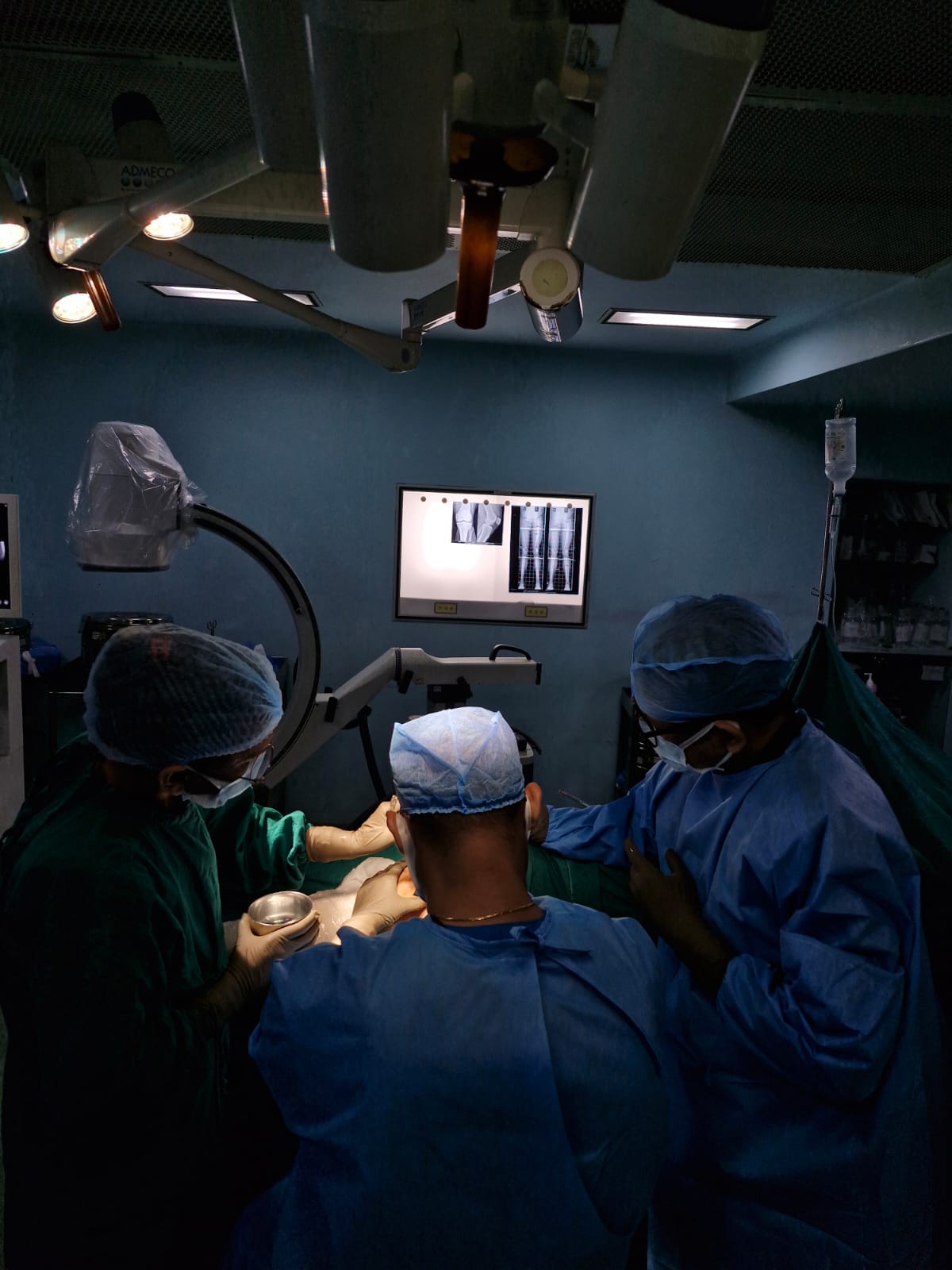
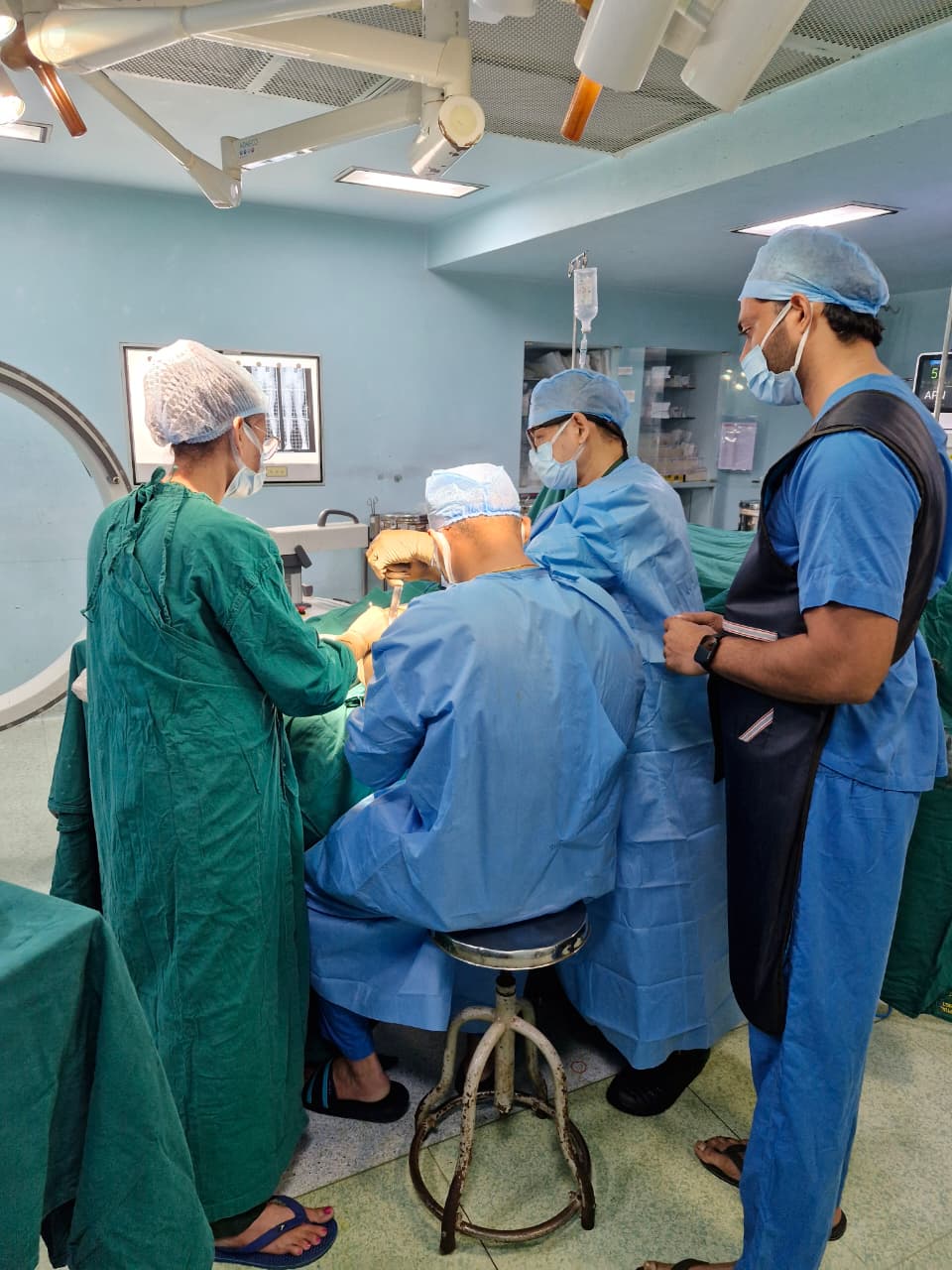
The most common corrective surgery for bow legs is High Tibial Osteotomy. This procedure repositions the tibia to shift the weight-bearing axis and offload the medial compartment.
- Precise bone cut in the upper tibia (osteotomy).
- Angular correction using open-wedge or closing-wedge technique.
- Stabilization with a metal plate and screws.
- Mechanical axis shift laterally to unload the medial compartment.
Bow Leg
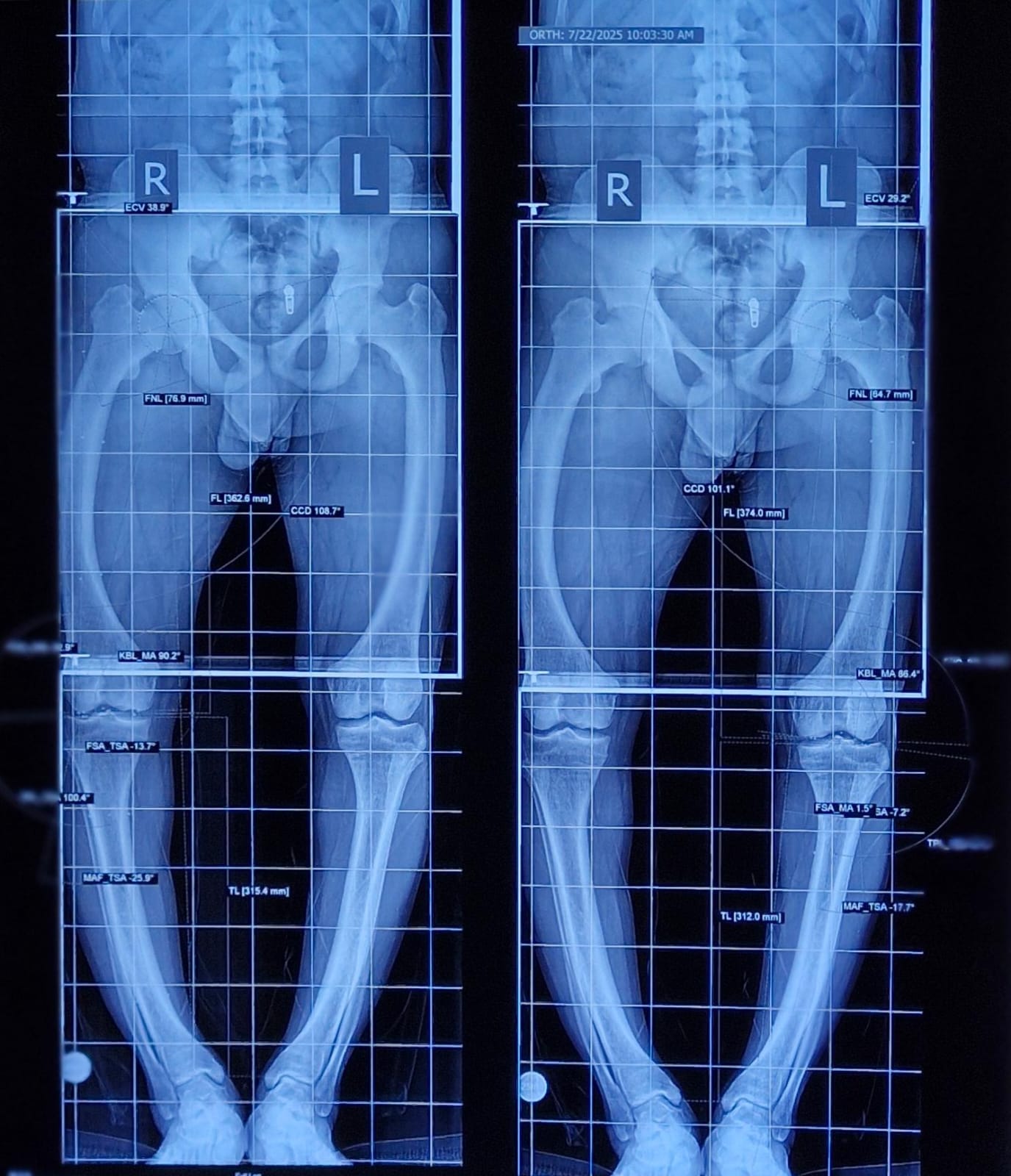
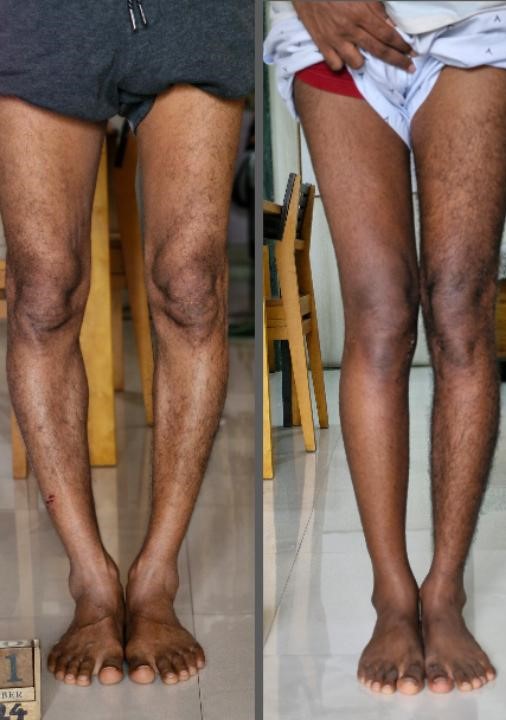
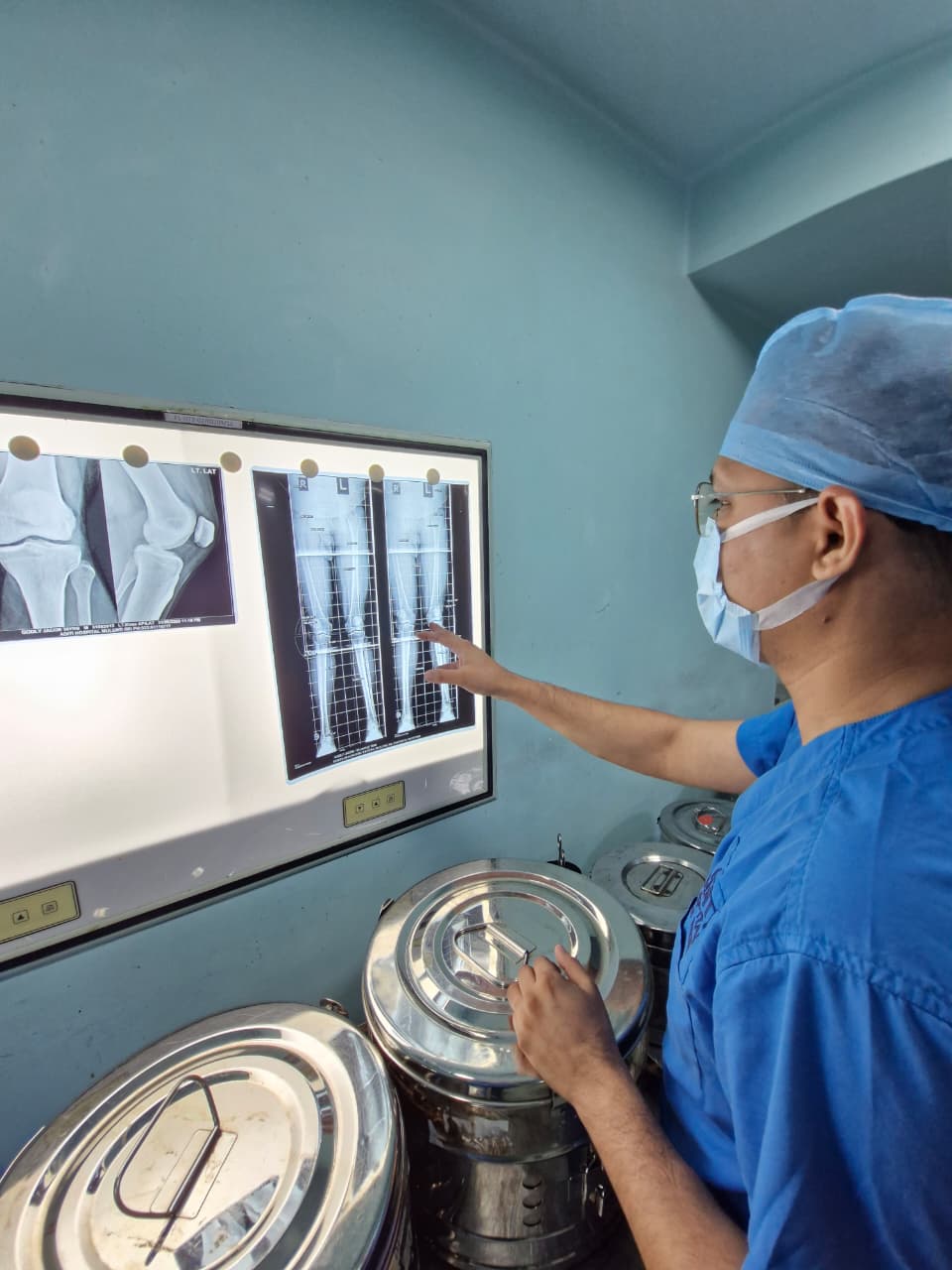
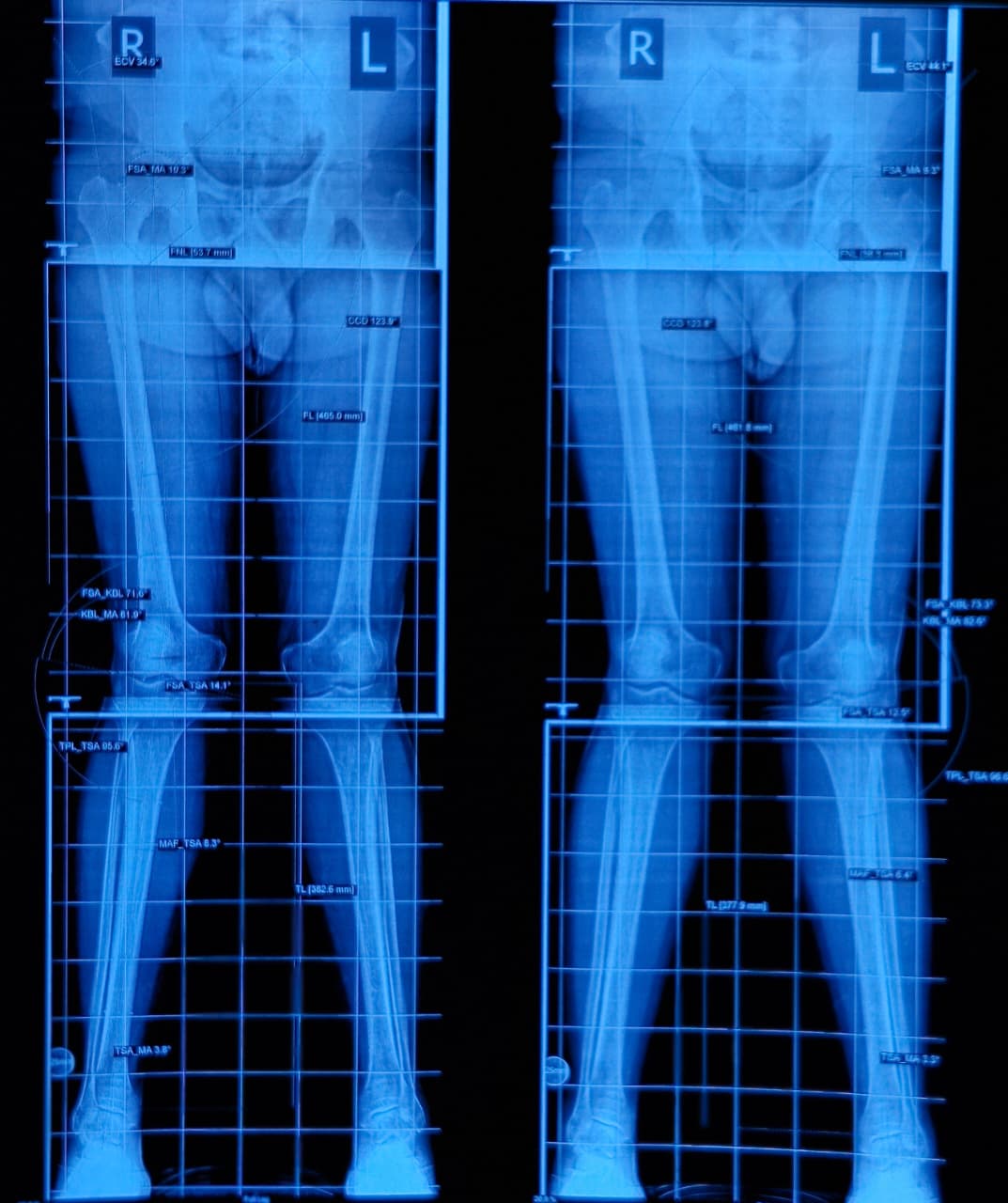
See how bow legs correction improves alignment through X-rays and diagrams.
Immediate Mechanical Effect
- Medial compartment pressure decreases.
- Lateral compartment load is balanced.
- Joint contact forces become symmetrical.
- Knee stability and walking mechanics improve.
Knock Knees Surgery
Precision Realignment Surgery to Restore Mechanical Balance and Protect Your Knee Joint
Book AppointmentUnderstanding Knock Knees (Genu Valgum)
Knock knees is a structural alignment deformity where the knees angle inward while the ankles remain apart. This condition is caused by abnormal bone alignment — most commonly originating from the distal femur.
- The mechanical axis shifts outward.
- The lateral (outer) knee compartment carries excessive load.
- Cartilage degeneration accelerates.
- Joint pain and instability progressively worsen.
Why Surgery Is the Definitive Solution
In adults, bone growth is complete and the deformity does not self-correct. Because the problem is structural, the only definitive correction is surgical realignment.
✔ Restore Structural Balance
Repositions the bone to correct angular deviation.
✔ Recenter Weight Distribution
Guides the mechanical axis back toward the knee center.
✔ Reduce Lateral Loading
Decreases force in the outer knee compartment.
✔ Preserve Cartilage Integrity
Slows degenerative changes and protects joint surfaces.
BEFORE SURGERY
- Delay today, Covert to major surgery tomorrow.
- Clothes and shoes don't fit properly — it feels awkward.
- Hip, knee, or ankle pain that worsens with activity
- Feel embarrassed while walking or socializing in public.
AFTER SURGERY
- No further surgery needed in the future.
- Clothes and shoes fit properly, and I feel confident.
- Pain-free life with improved posture and increased height
- Feel confident while walking and socializing in public.
Distal Femoral Osteotomy (DFO)
The most common joint-preserving surgery for adult valgus deformity is Distal Femoral Osteotomy. This procedure precisely corrects the bone angle responsible for the deformity.
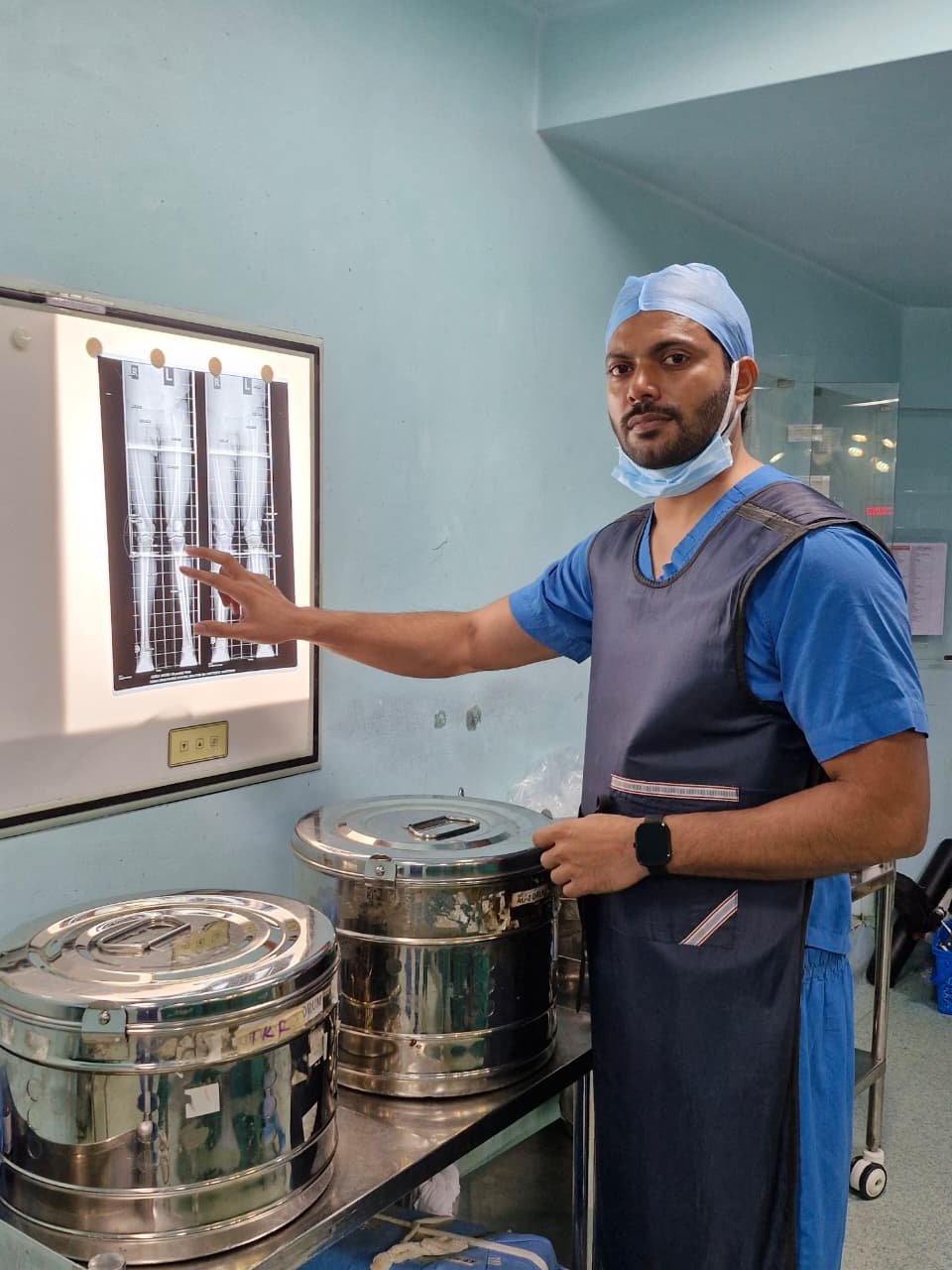
- Preoperative digital planning using full-length X-rays.
- Precise bone cut (osteotomy) in the distal femur.
- Removal of a calculated bone wedge (closing-wedge technique).
- Realignment of the femur to neutral mechanical axis.
- Stable fixation using locking plate and screws.
Knock Knees
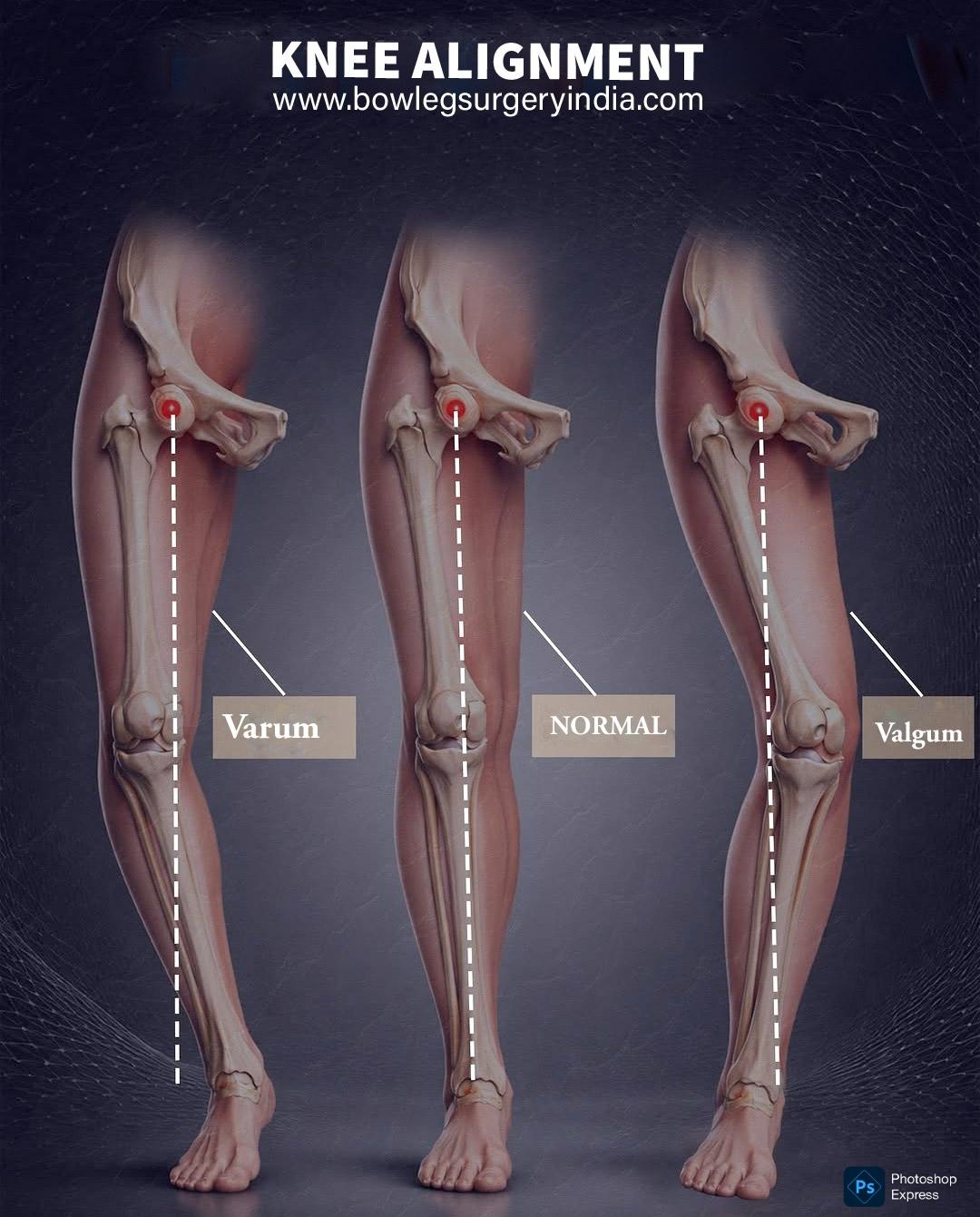
Knee alignment generally falls into three main types: varus, normal, and valgus, each affecting e how forces are distributed through the joint. Varus alignment creates a bow-legged position where the knees angle outward, increasing pressure on the outer portion of the knee. Normal alignment keeps the leg straight, allowing even weight distribution and optimal joint function. Valgus alignment, often called knock-knees, causes the knees to angle inward and shifts stress to the inner knee structures. These alignment differences, measured in degrees, can influence movement efficiency and the risk of discomfort or injury over time. less
Immediate Mechanical Effect
- The weight-bearing line shifts toward the knee center.
- Lateral compartment pressure decreases.
- Joint forces redistribute more evenly.
- Coronal plane stability improves.
Physiotherapy
Precision Realignment Surgery to Restore Mechanical Balance and Protect Your Knee Joint
Book AppointmentUnderstanding Physiotherapy
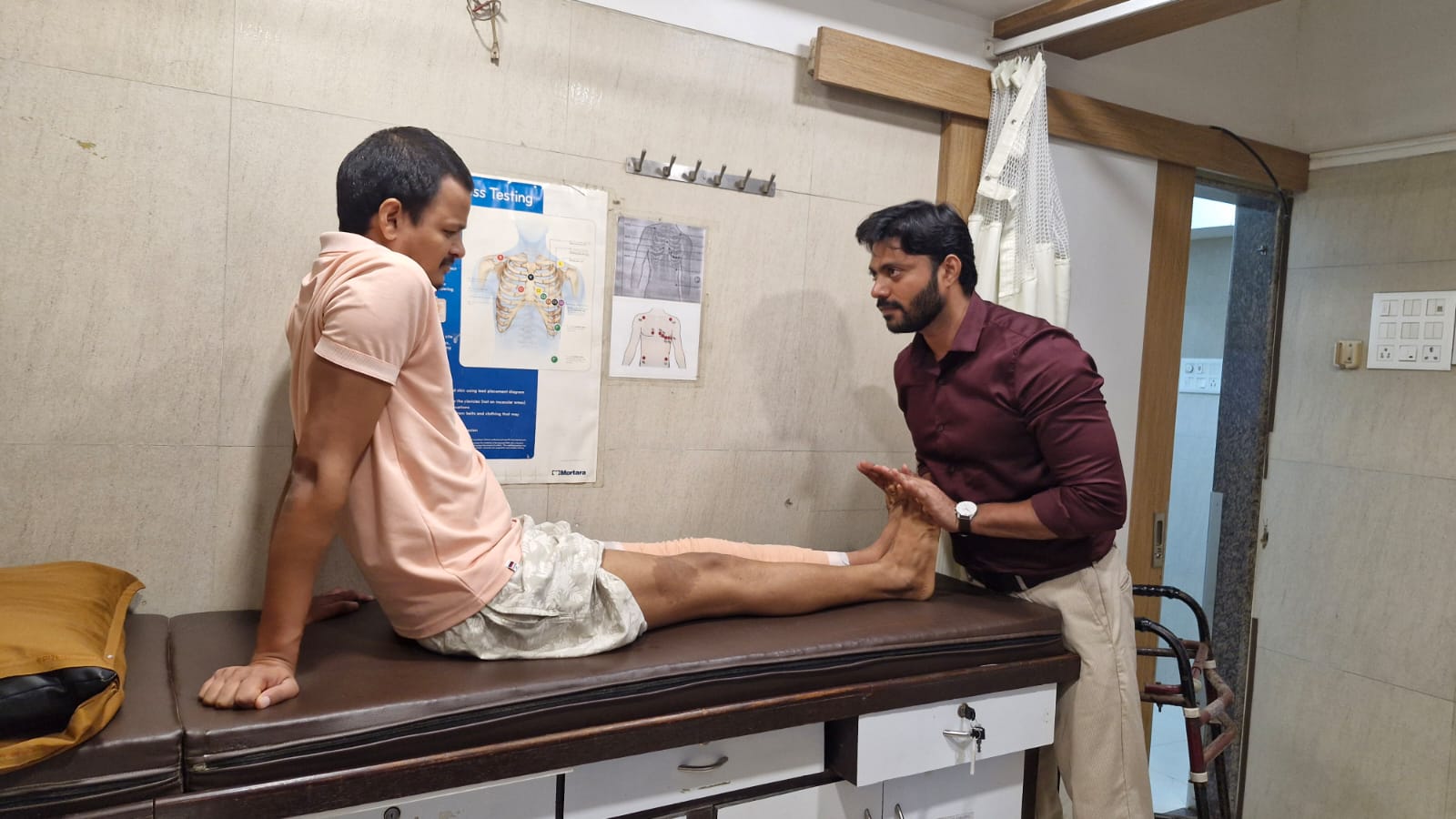
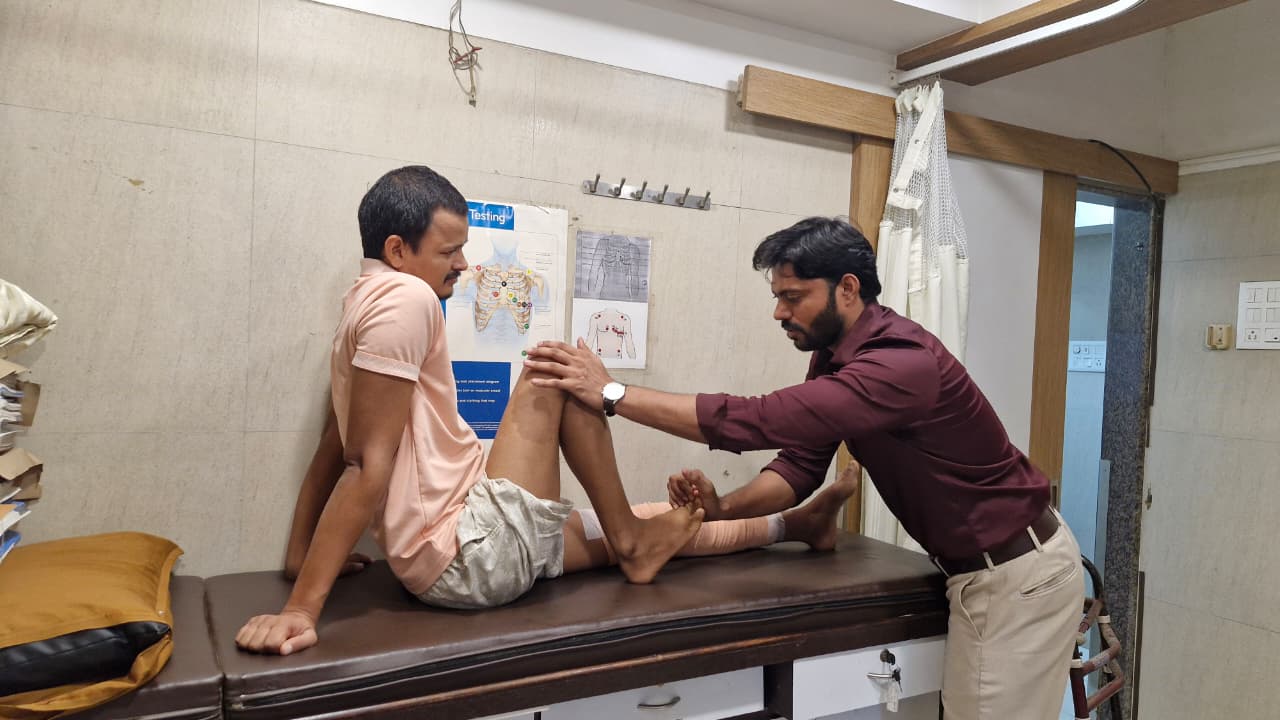
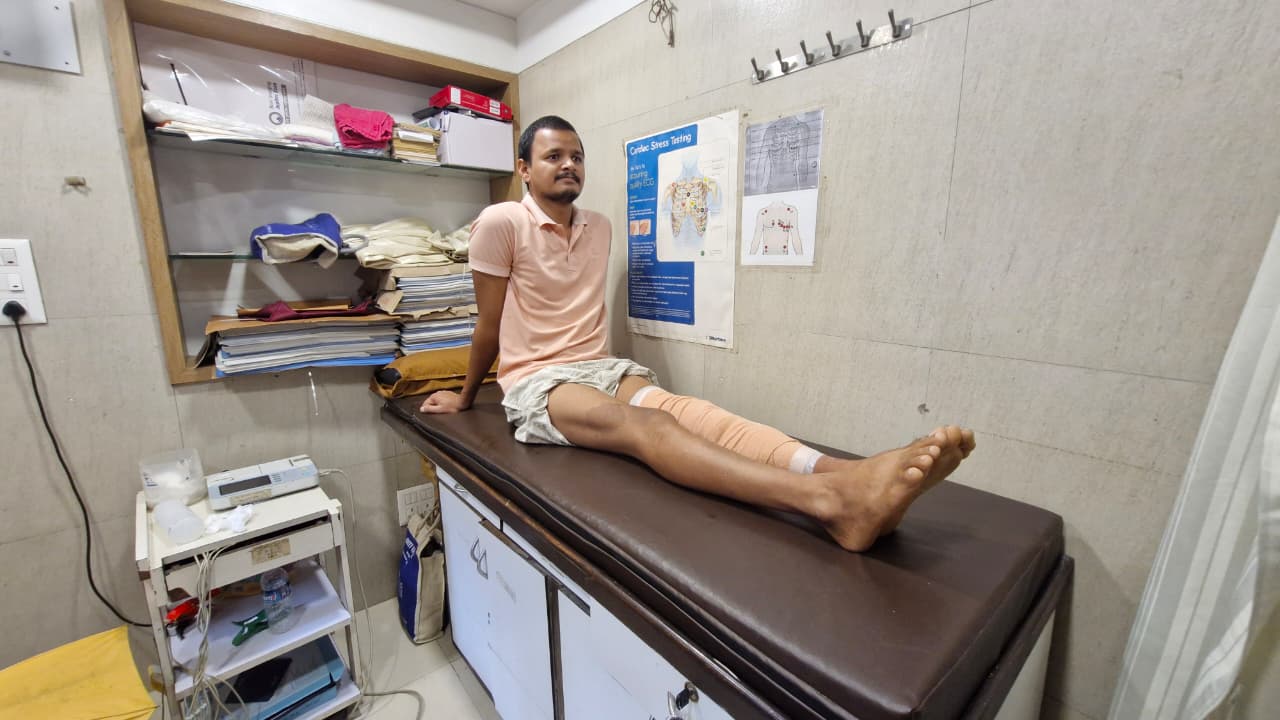
Physiotherapy, also called physical therapy, is a healthcare profession focused on helping people improve movement, manage pain, and recover from injuries or illnesses. It combines exercise, manual therapy, education, and technology to restore function and prevent further problems.
- Reduces pain
- Improves mobility
- Promotes healing
- Prevents further injury
Conditions Treated by Physiotherapy
Physiotherapy can be used to treat a wide range of conditions, including:
Back pain: Strengthens muscles and improves posture to relieve pain.
Arthritis: Reduces pain and improves joint mobility.
Sports injuries: Promotes healing, reduces pain, and restores mobility.
Neurological conditions: Helps individuals with stroke, spinal cord injury, and Parkinson's disease improve mobility and manage symptoms.


